Basic Tracker - 2G

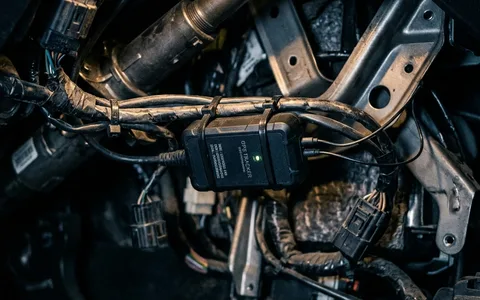
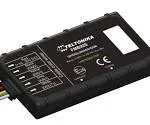
Teltonika FMB920

Compact GPS tracker with Bluetooth, backup battery, and remote immobilization capability. Ideal for basic vehicle tracking and security.

  • Bluetooth connectivity for wireless peripherals
  • Built-in backup battery (up to 6 hours)
  • Remote immobilization capability
  • 2G GSM network connectivity

Technical Specifications

Complete specifications for the Teltonika FMB920 GPS tracker

Technical Specs

  • Network2G GSM
  • GPS Accuracy2.5 meters
  • Backup Battery500mAh Li-ion
  • Operating Voltage9-32V DC
  • Operating Temperature-40°C to +85°C
  • Dimensions60 x 45 x 18 mm

Key Features

  • Bluetooth connectivity for wireless peripherals
  • Built-in backup battery (up to 6 hours)
  • Remote immobilization capability
  • CAN bus data reading support
  • 4 digital inputs & 2 analog inputs
  • 2 digital outputs for vehicle control

Ideal Use Cases

The FMB920 is perfect for these applications

Personal Vehicles

Track your personal car with reliable GPS positioning and theft protection features.

Small Fleet Management

Perfect for small businesses managing a handful of vehicles efficiently.

Vehicle Security

Remote immobilization and backup battery provide enhanced security features.

Ready to Get Started?

Contact our team to learn more about the FMB920 and how it can help secure and monitor your vehicles.

Practical Guidance for Better Fleet Performance

TrackAlways combines device reliability, real-time visibility, and actionable reports to help transport teams reduce delays, improve safety outcomes, and manage operational costs with confidence across East Africa.

Teams typically implement clear performance goals, automate exception alerts, and review weekly KPI trends to improve route compliance, fuel efficiency, maintenance planning, and incident response.

For organizations operating mixed fleets, measurable gains usually come from combining live tracking with policy-based alerts and weekly operational reviews. Dispatchers can reduce route deviations by comparing planned versus actual journeys, while operations teams use idle-time and stop-duration insights to improve turnaround performance. Maintenance teams also benefit from scheduled reminders and exception reporting, helping them detect recurring faults early and reduce unscheduled downtime.

Implementation is most effective when teams phase rollout by business unit, train supervisors on dashboard workflows, and define ownership for each KPI. Typical checkpoints include fuel variance controls, speeding and harsh-event coaching, geofence compliance, and incident response timelines. With consistent reporting cadence, companies can improve service reliability, strengthen customer trust, and scale operations with lower risk.

Call Now Email Support WhatsApp