
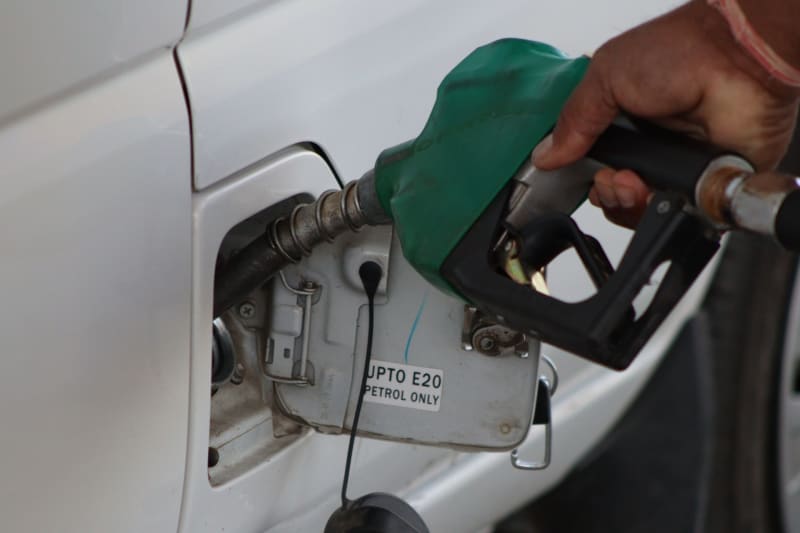
Fuel theft is one of the most expensive silent crimes in Kenyan logistics. Industry estimates suggest that transport companies across East Africa lose between 15% and 30% of their total fuel budget to theft every single year. That is not a rounding error. That is a structural leak draining profits from businesses that are already operating on thin margins, fighting rising diesel prices, and competing in an increasingly crowded market. The methods are sophisticated. Drivers siphon diesel into jerry cans during overnight stops. Fuel attendants at depots dispense less than what is recorded. Collusion between drivers and roadside fuel vendors creates ghost transactions that look legitimate on paper. And because most of it happens in the dark, literally and figuratively, fleet owners rarely catch it in real time.
Traditional monitoring tools were not built for this level of deception. A clipboard, a fuel log, and a dashboard gauge give drivers enormous room to manipulate records. By the time a fleet manager notices something is wrong, thousands of liters and hundreds of thousands of shillings are already gone. The theft is often so gradual and distributed across multiple trucks and routes that it never triggers an obvious red flag. Kenyan transport companies need a smarter system. Wireless BLE fuel sensors integrated with GPS tracking are changing the game entirely.
Why Traditional Fuel Monitoring Fails in East Africa
The dipstick is the oldest fuel measurement tool in existence. It is also one of the easiest to cheat. A driver who knows the measurement will be taken at the end of a trip has hours of advance notice to manipulate the outcome. Partial refuels, strategic timing, and even physical tampering with the dipstick itself are well-documented tactics. Fleet managers relying on manual dipstick readings are essentially trusting the very person most likely to be stealing from them to report accurately. In the East African context, where oversight is limited and trucks operate hundreds of kilometers from base, that trust is routinely exploited.
Dashboard fuel gauges are no better. Most factory-fitted gauges on commercial trucks are notoriously imprecise, often showing a full tank when a significant portion has already been removed. Experienced drivers know the dead zones on the gauge, the range where the needle barely moves even as liters disappear. Some go further, tampering with the sender unit inside the tank to freeze the reading or slow its response. A gauge that looks fine at the fuel station and still looks fine three hours later tells a fleet manager nothing useful. It is a display, not a data source.
Driver fuel logs complete the broken picture. Paper logs are filled in by the same person who has the most to gain from inaccurate entries. Digital fuel logs entered manually carry the same weakness. Even where supervisor sign-offs are required, collusion between drivers and fuel station attendants means that signatures appear on records that do not reflect reality. A fuel attendant who dispenses 200 liters but records 300 liters splits the difference with the driver. The log looks correct. The receipt matches. The money is gone. Without an independent, tamper-resistant data source capturing what is actually inside the tank at every moment, there is no way to catch this kind of systematic fraud.
What Wireless Fuel Monitoring Actually Reveals
A wireless BLE fuel sensor installed inside the tank measures the actual fuel level continuously, transmitting that data to the fleet management platform in real time. There is no driver input required. There is no reading to falsify. The sensor sees exactly what is in the tank, and the platform records it permanently. Here is what that data exposes:
- Sudden unexplained drops in fuel level: A sharp vertical drop on the fuel graph that occurs while the truck is stationary is a direct indicator of siphoning. The platform flags it instantly.
- Fuel consumption per kilometer compared to manufacturer specs: Every truck has a known consumption rate. The system compares actual consumption against expected consumption for every trip segment, surfacing anomalies that manual logs would never reveal.
- Fueling events showing how much went in versus what the driver reported: When the truck refuels, the sensor records exactly how many liters entered the tank. That number is compared against the driver's reported figure and the fuel receipt. Discrepancies are logged and alerted.
- Fuel level at departure and arrival for every trip: Every journey has a timestamped starting level and ending level. Combined with distance traveled, this creates an unbreakable consumption record for every route.
- Instant alerts when fuel drops outside normal consumption patterns: Configurable thresholds mean the system sends an SMS or app notification the moment something unusual happens, not hours later during a manual review.
Consider a realistic scenario from a mid-sized haulage company operating out of Industrial Area, Nairobi. The company runs 18 trucks on routes to Mombasa, Kisumu, and Eldoret. Management had long suspected fuel losses but could never pinpoint the source. Drivers blamed bad roads and heavy loads. Fuel consumption looked high but not impossibly so. After deploying fuel sensors on four of their highest-mileage trucks, the fleet manager pulled the first week of data and found something striking. Three of the four trucks showed near-identical fuel drop events between 11 PM and 2 AM during overnight stops at a specific truck stop on the Nairobi-Mombasa highway. The drops averaged 40 liters per incident. At current diesel prices, that was roughly KES 6,000 per event, per truck.
Across a month, those four trucks were collectively losing an estimated KES 720,000 in siphoned fuel. Extrapolated across the full fleet of 18 trucks on the same routes, the company estimated annual losses approaching KES 30 million. Within 90 days of full fleet deployment, documented fuel losses dropped by over 70%. Drivers knew the tanks were being watched continuously. The overnight siphoning stopped. Fueling discrepancies fell to near zero. The sensors paid for themselves in the first month.
GPS Plus Fuel Sensor: The Complete Picture
A fuel sensor alone tells you what happened. A fuel sensor combined with GPS tracking tells you exactly when and where it happened, and gives you the evidence to act on it. When a fuel drop event is recorded, the GPS simultaneously logs the precise location of the truck, its speed (confirming it was stationary), and the timestamp. Fleet managers can pull up a map view and see that the truck was parked at a specific coordinate on a specific road for 47 minutes while 38 liters disappeared from the tank. That is not a suspicion. That is a documented incident with geographic coordinates, time data, and a fuel quantity attached to it.
This combination also catches subtler forms of theft. A driver who makes an unauthorized detour to a private buyer, sells diesel from the tank, and then claims the consumption was due to traffic can no longer hide behind vague explanations. The GPS shows the route deviation. The fuel sensor shows the consumption spike that does not match the distance traveled. Together, they create an irrefutable audit trail that protects honest drivers and exposes dishonest ones. Fleet managers using the Venus Platform can overlay fuel data directly onto trip replays, giving them a frame-by-frame view of every journey alongside real-time fuel levels.
How Trackalways Africa Deploys Fuel Monitoring Across East African Fleets
Installation of a wireless BLE fuel sensor on a commercial truck typically takes two to four hours per vehicle, depending on tank configuration. The sensor is inserted into the fuel tank through the sender unit access point, eliminating the need to cut or modify the tank. Calibration is performed after installation by filling the tank to known increments and recording the sensor readings at each point. This creates a precise measurement curve unique to that specific tank geometry. Once calibrated, the sensor communicates wirelessly with the GPS tracker already installed on the vehicle, or with a new tracker if the fleet is being set up from scratch. Our team handles the full process on-site, including verification testing before any vehicle returns to service.
On the platform side, each sensor is configured with the vehicle's manufacturer fuel consumption specifications, tank capacity, and route-specific thresholds. Alert rules are set up for sudden drops, refueling discrepancies, and consumption anomalies. Fleet managers receive a dashboard that shows every truck's fuel level live, with historical graphs, event logs, and exportable reports for accounting and driver accountability reviews. For companies managing large fleets, our fuel monitoring solution integrates directly with existing fleet management workflows, making it straightforward to add fuel intelligence to operations that are already using GPS tracking. If you are ready to stop the leak, contact our team to schedule a fleet assessment.
Frequently Asked Questions
How does a fuel sensor detect fuel theft on a truck in Kenya?
A fuel sensor measures the actual fuel level inside the tank continuously and transmits that data to a fleet management platform in real time. When fuel is siphoned or removed outside of normal consumption patterns, the sensor records a sudden drop in level and the platform triggers an alert. Because the measurement is automatic and independent of driver input, there is no way for a driver or attendant to falsify the reading.
Can a fuel sensor work with my existing GPS tracker?
In most cases, yes. Wireless BLE fuel sensors are designed to pair with compatible GPS tracking devices already installed on your vehicles. Trackalways Africa assesses your existing hardware during the fleet evaluation to confirm compatibility. Where existing trackers are not compatible, we recommend an upgrade to a device that supports fuel sensor integration.
How much fuel do companies typically lose to theft in Kenya?
Industry data and client case studies across East Africa consistently show losses ranging from 15% to 30% of total fuel spend. For a fleet spending KES 5 million per month on diesel, that translates to KES 750,000 to KES 1.5 million lost every month. The exact figure varies by fleet size, routes operated, and the oversight systems already in place.
How long does it take to install a fuel sensor on a truck?
A standard installation and calibration takes two to four hours per vehicle. Trucks can return to service the same day. For large fleets, Trackalways Africa deploys installation teams to process multiple vehicles simultaneously, minimizing operational downtime.
What is the difference between a wired and wireless fuel sensor?
A wired fuel sensor connects to the GPS tracker via a physical cable running from the tank to the tracker unit. A wireless BLE (Bluetooth Low Energy) sensor transmits data to the tracker without a cable connection, reducing installation complexity and eliminating a common failure point. Wireless sensors are particularly well-suited to trucks with complex cab layouts or where running cables is impractical. Both types deliver accurate, tamper-evident fuel level data to the fleet management platform.