
When One SIM Card and One Sensor Are Not Enough
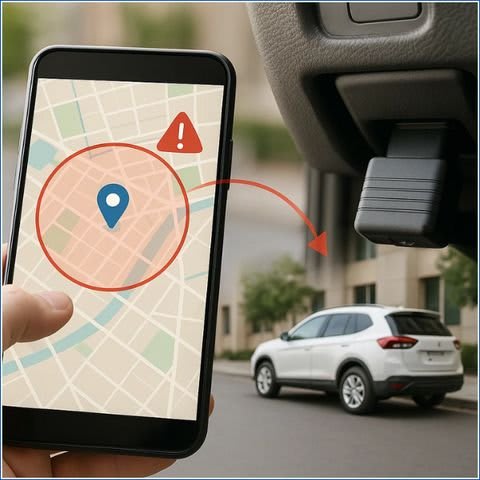
A logistics manager in Thika runs twelve trucks between the industrial belt and the Namanga border. Two of the trucks disappear from the tracking map every time they cross a dead zone near the boundary post, because the entry-level trackers on those two vehicles run a single SIM on a single network. Meanwhile, the finance team keeps asking for fuel consumption numbers per truck, but the basic trackers were never wired to read anything beyond location and ignition status. The manager is now paying for two separate problems with one root cause: the hardware on board was built to answer "where is the vehicle," not "what is the vehicle doing." Every week that gap stays open costs fuel reconciliation hours, unexplained network drop-outs, and a growing list of features the fleet cannot use because the tracker was never designed to carry them.
Where a Universal Tracker Like the FMB125 Actually Pays Off
Not every vehicle needs this level of integration. But a specific set of Kenyan and East African fleet situations make a basic single-purpose tracker the wrong tool for the job.
- Cross-border haulage on mixed networks. Trucks running Nairobi to Kampala or Nairobi to Dar es Salaam cross multiple mobile network zones. A tracker limited to one SIM loses connectivity the moment it hits a weak-coverage stretch near a border post.
- Fleets already running fuel sensors or RFID driver ID. If a company has invested in a digital fuel probe or driver ID cards, the tracker needs serial interfaces (RS232/RS485) to actually read that data, not just GPS coordinates.
- Refrigerated or perishable transport. Cold-chain operators moving flowers out of Naivasha or dairy out of Kiambu need a 1-Wire interface for temperature probes, something a basic ignition-only tracker cannot support.
- Vehicles that lose external power during servicing or theft attempts. A tracker with only external power reporting goes dark the second a mechanic (or a thief) disconnects the battery.
- Insurance and leasing fleets needing verifiable event data. Underwriters and leasing companies increasingly want tamper detection and geofence breach logs, not just a moving pin.
- Boda boda and light commercial operators expanding into asset finance. Financiers backing vehicle loans want remote visibility that survives basic tampering attempts, which a simple tracker was never built to resist.
Why the Single-SIM, Single-Sensor Tracker Runs Out of Road
The mechanism behind most of these failures is the same: entry-level trackers are built to a price point that assumes one job. A single SIM slot means the device has no fallback when a network operator has a coverage gap along a specific corridor, which happens regularly on routes through parts of Ukambani, the Namanga crossing, and stretches of the Northern Corridor into Uganda. When that SIM drops, the tracker does not fail loudly. It simply stops reporting, and the fleet manager only finds out when they check the dashboard hours later and see a vehicle frozen at the same coordinate since morning.
The sensor gap is subtler but more expensive over time. A basic tracker reports ignition on/off and GPS position because those are the only two data points it was wired to read. When a company later buys a fuel level sensor to fight fuel theft, or an RFID reader to enforce driver accountability, they discover the existing tracker has no RS232, RS485, or 1-Wire port to plug it into. The fix is not a settings change. It is buying and reinstalling an entirely new tracker across the fleet, which means paying for installation labor twice.
The FMB125: What It Actually Solves
The FMB125 from Teltonika is built specifically to close these gaps on a single device, and it is why Trackalways Africa positions it as the step-up tracker for fleets that need more than a moving dot.
- Dual SIM Redundancy
The FMB125 carries two SIM slots, so if the primary network drops coverage on a corridor, the device automatically falls back to the second SIM. For cross-border and long-haul fleets, this is the difference between a continuous trip log and hours of blank tracking data.
- RS232 and RS485 Serial Interfaces
These ports let the tracker connect directly to third-party digital fuel sensors, RFID readers, and other peripherals already common in Kenyan fleet operations. Instead of retrofitting a new device when a fuel sensor is added, the FMB125 was built to take it from day one.
- 1-Wire Interface for Temperature and Driver ID
Cold-chain operators can attach a Dallas temperature probe directly to the tracker to log cargo temperature alongside location data. The same 1-Wire port supports iButton driver identification, so every trip is tied to a named driver, not just a vehicle.
- Bluetooth Connectivity
Built-in Bluetooth lets the FMB125 pair with BLE peripherals such as wireless fuel sensors or driver ID keyfobs without extra wiring, useful for fleets adding sensors after the initial installation.
- Backup Battery and Power-Loss Reporting
An internal battery keeps the device transmitting for a period after external power is cut, so a disconnection during an attempted theft or unauthorized servicing still generates an alert rather than silence.
- External GNSS Antenna Support
Vehicles with heavy metal shielding or awkward mounting positions can run the antenna externally, keeping the GPS signal reliable even in cabs and cargo areas where internal antennas struggle.
- Remote Configuration
Fleet administrators can adjust reporting intervals, geofences, and alert thresholds remotely, without pulling every vehicle into a workshop for a manual reconfiguration.
What This Looks Like on a Real Fleet
Picture a mid-sized transport company running produce trucks from Meru into Nairobi three times a week. Before switching to the FMB125, the fleet manager reconciled fuel receipts manually against odometer readings, a process that took a full day each week and still left unexplained gaps. After installing FMB125 units wired to digital fuel sensors via RS232, the Venus dashboard shows fuel level drops in real time. A sudden 15-liter drop while the truck is parked overnight in Meru triggers an immediate alert instead of surfacing three weeks later in a spreadsheet. On the same fleet, a truck crossing a coverage gap near Embu switches to the backup SIM automatically, so the trip log stays intact instead of showing a two-hour blank stretch. Drivers tap an iButton on the dashboard reader each morning, so the fuel and mileage data captured that week is tied to a specific driver, not just a truck number, which turns a vague monthly fuel report into a clear, individually accountable one.
Frequently Asked Questions
1. Is the FMB125 suitable for motorcycles and light vehicles, or only heavy trucks?
The FMB125 works across a wide voltage range and is commonly installed on vans, pickups, and light commercial vehicles as well as trucks. For pure motorcycle or boda boda tracking without sensor integration, a simpler 2G tracker is usually more cost-effective, but any vehicle where fuel or temperature monitoring matters is a good fit.
2. Does the FMB125 require a separate fuel sensor, or does it measure fuel on its own?
The tracker itself does not measure fuel level. It provides the RS232/RS485 and Bluetooth connections needed to read data from a separate digital fuel sensor, such as those used in Trackalways Africa's fuel monitoring solutions. The sensor and tracker work together.
3. How does dual SIM switching work in practice, does the driver need to do anything?
No. The switch between the primary and backup SIM happens automatically inside the device based on signal availability. Drivers and fleet managers do not need to intervene, and the transition is logged so administrators can see when and where a fallback occurred.
4. Can the FMB125 be moved between vehicles if a truck is sold or decommissioned?
Yes, though it requires a technician to properly disconnect and reinstall the wiring, RS232/RS485 connections, and any attached sensors. It is not a plug-and-play swap in the way a cigarette-lighter tracker would be, since it is wired into the vehicle's electrical and sensor systems.
5. How do I get the FMB125 installed on my fleet in Kenya?
Trackalways Africa handles supply, installation, and Venus platform configuration for the FMB125 across Kenya, Uganda, and Tanzania. Call +254 116 257285 or visit trackalwaysafrica.com to get a fleet assessment and quote.
Get Fleet Data You Can Actually Act On
A tracker that only shows a moving dot leaves every other question, fuel, temperature, driver identity, unanswered. The FMB125 closes those gaps on one device instead of forcing a fleet to bolt on separate hardware later. If cross-border coverage drops, unexplained fuel losses, or unverified driver behavior are costing your fleet money every week, it is worth a conversation. Call Trackalways Africa on +254 116 257285 or visit trackalwaysafrica.com to fit the FMB125 to your fleet.