
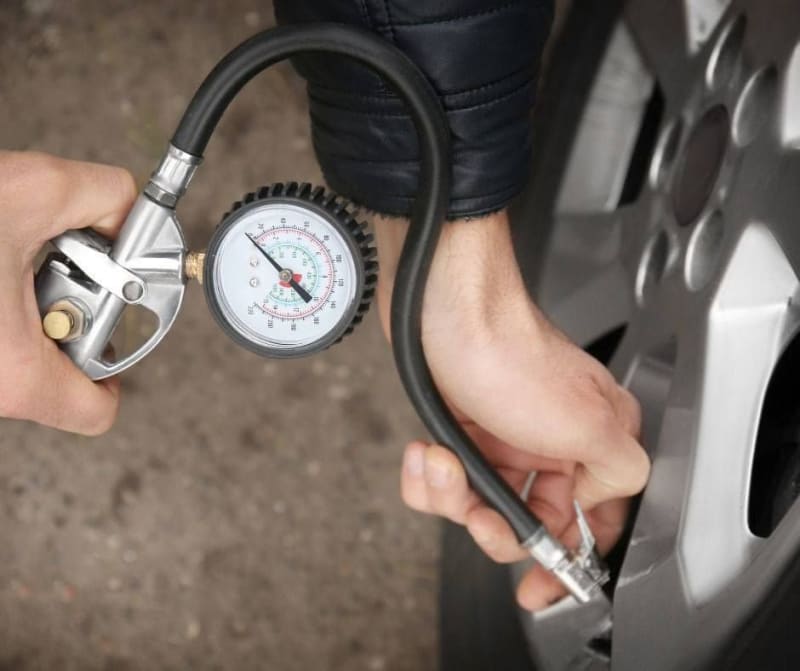
The Blowout That Shut Down a Quarry Route for Half a Day
A quarry operator running haul trucks between an extraction site and a crushing plant had a rear tire blow out on a loaded truck mid-route, sending debris across the haul road and forcing an emergency stop of all traffic on that route while the area was cleared. A ground crew member working nearby was nearly struck by flying debris. The investigation afterward found the tire had been running under-inflated for an unknown period, a condition that generates excess heat under the load and weight of a haul truck and eventually fails catastrophically rather than gradually. Nobody had checked that specific tire's pressure in the days before the incident, because manual pressure checks on a fleet of heavy haul trucks running continuous shifts happen only when a driver notices something visibly wrong, which is often too late.
Where Tire Failure Risk Concentrates on Mining and Quarry Sites
Heavy equipment and haul truck fleets operating on mining and quarry sites face tire pressure risks that standard fleet vehicles do not.
1. Continuous multi-shift haul operations: trucks running back-to-back shifts across a haul road rarely get the downtime needed for a full manual tire inspection between drivers.
2. Uneven, unpaved haul roads: the rough terrain typical of extraction sites accelerates tire wear and increases the consequences of running under-inflated, compared to paved public roads.
3. Heavy variable loading: haul trucks carrying different load weights on different runs put inconsistent stress on tires, making pressure loss harder to predict from load alone.
4. Remote site locations: many quarry and mining sites are far from tire service centres, meaning a blowout results in extended downtime while a replacement or repair crew is brought in.
5. Worker safety zones near haul routes: ground crews, surveyors, and site workers often operate close to active haul roads, putting them directly in the path of debris from a catastrophic tire failure.
Why Visual Checks Cannot Catch Slow Pressure Loss
A driver doing a visual pre-shift check on a haul truck's tires can catch an obviously flat tire, but slow pressure loss from a small puncture or valve leak produces no visible symptom until the tire has already lost enough pressure to be generating dangerous heat under load. By the time under-inflation is visible to the eye, the tire has often already been running in a failure-risk state for hours or days. Heavy haul trucks compound this because the sheer weight and continuous operation mean even moderate under-inflation generates significant heat buildup quickly.
The Solution: ATP100 Tire Pressure Sensor on Venus
The ATP100 is Queclink's tire pressure monitoring sensor, giving mining and quarry fleet operators continuous, real-time visibility into every tire's condition rather than a point-in-time visual check, building on the introduction in our post on the ATP100 and long-term asset tracking for East Africa.
1. Continuous Real-Time Pressure Readings
The ATP100 monitors tire pressure continuously throughout a shift, catching the slow pressure loss that a visual check at shift start would miss entirely.
2. Temperature Monitoring Alongside Pressure
Because tire heat buildup precedes catastrophic failure, the ATP100's combined pressure and temperature data flags a developing problem before it reaches blowout conditions.
3. Real-Time Alerts to Dispatch and Drivers
When a tire moves outside safe pressure or temperature range, Venus alerts both the driver and the site dispatcher immediately, allowing the truck to be pulled from the haul route before failure rather than after.
4. Per-Tire, Per-Vehicle Monitoring
Each tire on a haul truck can be monitored individually, so a single developing fault does not get masked by averaged or estimated readings across the vehicle.
5. Built for Rugged Site Conditions
The sensor is designed to withstand the dust, vibration, and heavy-duty conditions typical of mining and quarry operations, similar to the site-hardened positioning covered in our post on how mining and quarry operators in Kenya are controlling heavy equipment and stopping fuel losses.
6. Reduces Unplanned Downtime on Remote Sites
Catching pressure issues before failure means fewer emergency tire replacements on remote sites where a replacement crew and parts can take hours to mobilise.
What This Looks Like on an Active Quarry Site
A quarry operator running eight haul trucks between an extraction pit and a crushing plant fits ATP100 sensors across the fleet. Three weeks into monitoring, Venus flags a slow pressure decline on one rear tire of a truck mid-shift, still within a safe range but trending downward faster than normal. Dispatch radios the driver, who brings the truck in for inspection at the next natural stop rather than continuing the full shift. A slow leak from a valve stem fault is found and repaired in under an hour, and the truck returns to the haul route the same day.
Frequently Asked Questions
1. How is the ATP100 different from a driver doing a manual tire check?
A manual check only reflects the tire's condition at that single point in time. The ATP100 monitors continuously throughout a shift, catching pressure loss that develops after a shift-start check would have already passed.
2. Can the ATP100 be fitted to existing haul trucks without major modification?
Yes. The ATP100 is designed as a retrofit tire pressure sensor and does not require replacing existing wheels or tires to install.
3. Does this work in dusty, rugged quarry and mining conditions?
The ATP100 is built for heavy-duty site conditions including dust and vibration typical of mining and quarry haul operations.
4. Will this reduce our overall tire replacement costs?
Catching slow leaks and developing faults early typically extends tire life compared to running tires to failure, in addition to avoiding the cost of emergency roadside or on-site tire replacement.
5. How do I get started with ATP100 monitoring for my haul truck fleet? Call Trackalways Africa on +254 116 257285 or visit trackalwaysafrica.com to discuss sensor deployment across your site vehicles.
Catch the Failure Before It Reaches the Haul Road
A blowout on an active haul route is a safety incident waiting to happen. With the ATP100 and Venus, Kenyan mining and quarry operators get the continuous tire data to catch failures before they shut down a route or injure a worker. Call +254 116 257285 or visit trackalwaysafrica.com to protect your site.